
📝 Description / Introduction
The Indian Constitution is the supreme law of India. It lays down the framework that defines political principles, establishes the structure and powers of government institutions, and sets out the fundamental rights and duties of citizens. Adopted on 26 November 1949 and enforced on 26 January 1950, it transformed India into a sovereign democratic republic.
Drafted under the leadership of B. R. Ambedkar, the Constitution is one of the longest written constitutions in the world. It reflects India’s diversity, unity, and commitment to justice, liberty, equality, and fraternity.
This detailed blog covers every major aspect of the Indian Constitution — its history, features, structure, rights, duties, amendments, and importance.
📜 1. History of the Indian Constitution
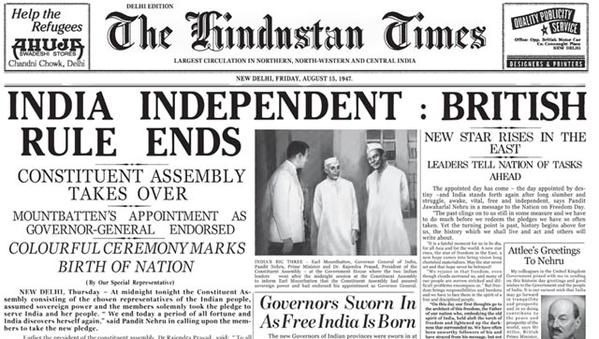
After independence from United Kingdom in 1947, India needed a strong legal framework to govern the nation.
🔹 Formation of the Constituent Assembly
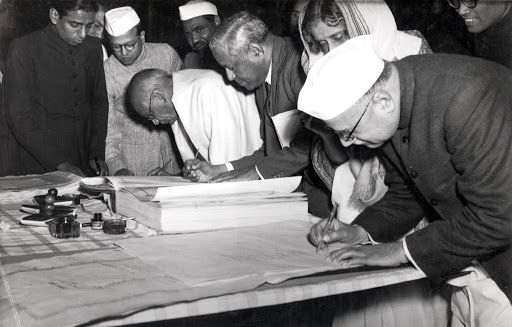
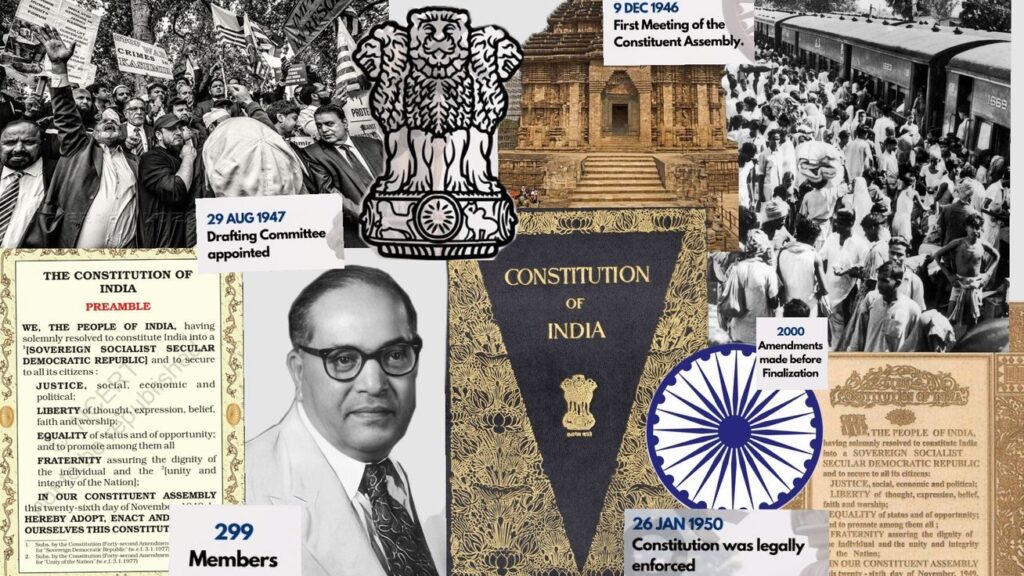
The Constituent Assembly was formed in 1946 to draft the Constitution. Its first meeting was held on 9 December 1946.
🔹 Drafting Committee
The Drafting Committee was chaired by B. R. Ambedkar, who is known as the “Father of the Indian Constitution.”
🔹 Adoption
- Adopted on: 26 November 1949
- Came into effect: 26 January 1950 (celebrated as Republic Day)
📖 2. Key Features of the Indian Constitution
The Constitution of India has several unique features:
✅ 1. Written and Detailed Indian Constitution
It is the longest written constitution in the world.
✅ 2. Federal System with Unitary Features
Power is divided between the central and state governments.
✅ 3. Parliamentary System
India follows the British model of parliamentary democracy.
✅ 4. Independent Judiciary
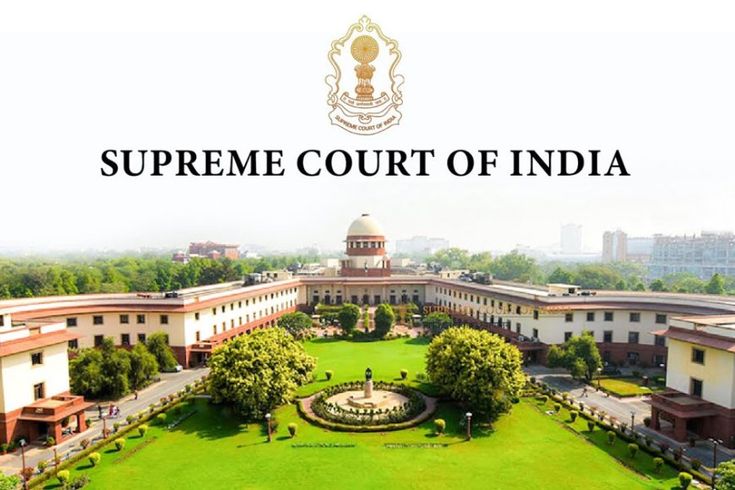
The judiciary is independent and ensures justice through the Supreme Court of India.
✅ 5. Secular State
India does not promote any official religion.
✅ 6. Fundamental Rights and Duties
Citizens are given rights as well as responsibilities.
🏛 3. Structure of the Indian Constitution
Originally, the Constitution had:
- 395 Articles
- 8 Schedules
- 22 Parts
Today, it has:
- 450+ Articles
- 12 Schedules
- 25 Parts
⚖ 4. Fundamental Rights (Part III)
Fundamental Rights protect citizens from injustice and discrimination.
🔹 Right to Equality (Articles 14–18)
Ensures equality before law.
🔹 Right to Freedom (Articles 19–22)
Includes freedom of speech, expression, movement, and profession.
🔹 Right Against Exploitation
Prohibits human trafficking and child labor.
🔹 Right to Freedom of Religion
Allows citizens to follow any religion.
🔹 Cultural and Educational Rights
Protects minority communities.
🔹 Right to Indian Constitutional Remedies
Citizens can approach the Supreme Court of India if their rights are violated.
📘 5. Directive Principles of State Policy (Part IV)
These are guidelines for the government to establish social and economic democracy.
They include:
- Equal pay for equal work
- Free legal aid
- Promotion of education
- Protection of environment
Though not legally enforceable, they are fundamental in governance.
🫡 6. Fundamental Duties (Part IVA)
Added by the 42nd Amendment in 1976, Fundamental Duties remind citizens to:
- Respect the Constitution
- Protect national unity
- Safeguard public property
- Promote harmony
- Protect the environment
🗳 7. System of Government
India is a democratic republic with:
👤 President
The head of state.
👨💼 Prime Minister
The head of government.
🏛 Parliament
Consists of:
- Lok Sabha
- Rajya Sabha
India follows a parliamentary system similar to the United Kingdom model.
⚖ 8. Judiciary System
The judiciary ensures that laws are constitutional.
Three levels:
- Supreme Court
- High Courts
- District Courts
The Supreme Court of India is the highest judicial authority.
🔄 9. Amendment of the Constitution
The Constitution can be amended to meet changing needs of society under Article 368.
Important amendments include:
- 42nd Amendment (1976) – Known as “Mini Constitution”
- 44th Amendment (1978) – Restored some rights
Amendments ensure flexibility while maintaining stability.
🌍 10. Importance of the Indian Constitution
The Constitution:
- Protects democracy
- Ensures justice and equality
- Maintains law and order
- Protects citizen rights
- Promotes national unity
It acts as a guiding force for the governance of India.
🎯 Conclusion
The Indian Constitution is not just a legal document; it is the backbone of Indian democracy. It ensures justice, liberty, equality, and fraternity among citizens. Drafted under the visionary leadership of B. R. Ambedkar, it reflects the values and aspirations of the nation.
As responsible citizens, understanding the Constitution helps us protect our rights and fulfill our duties toward the country. The strength of India’s democracy lies in respecting and upholding its Constitution.